
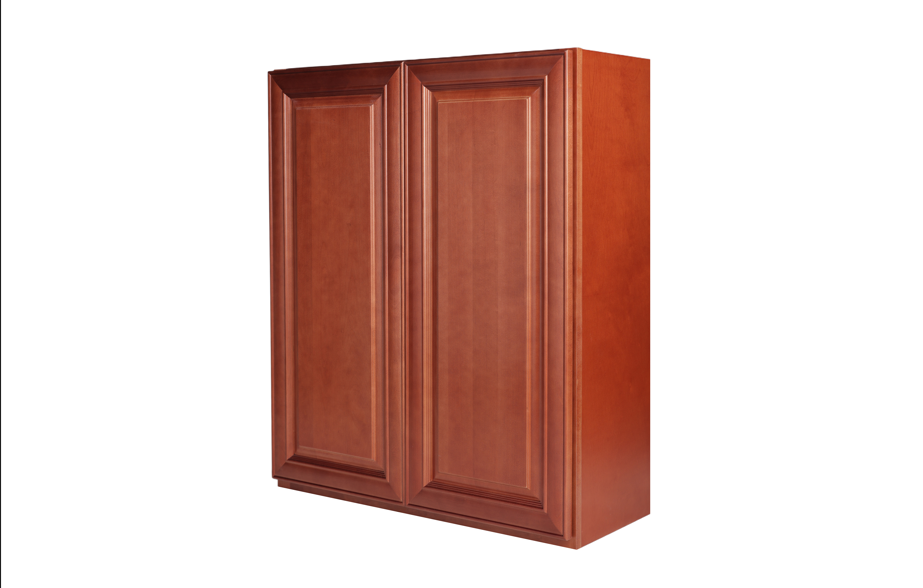
Kitchen remodeling costs can climb quickly when homeowners order materials before setting clear limits. Late design changes can also increase labor costs or lead to material waste. Finding smart ways to save money on your kitchen remodel starts with early decisions that align with your budget and how you use the room.
Saving money doesn’t require choosing weak materials or settling for a kitchen that feels unfinished. Homeowners can lower costs by protecting what still works and spending more carefully on products that handle daily wear.
These eight strategies can help you control expenses without losing sight of function.
1. Set a Firm Budget Before Shopping
Start with the amount you can spend without depending on future income or last-minute financing. Assign a limit to each major part of the project, including cabinets, countertops, flooring, lighting, and labor.
Separate spending limits make it easier to see when one choice puts pressure on the rest of the project. If a countertop upgrade costs more than expected, you can adjust another category before placing orders.
Set aside part of the budget for repairs that may appear after demolition. Water damage near a sink or worn flooring can change material needs. A reserve gives you room to handle those costs without cutting planned features later.
Bring the budget with you when visiting showrooms. Product displays can pull attention toward upgrades that don’t match the original plan. Written limits keep the conversation focused.
2. Keep the Existing Layout When It Works
Moving a sink can require new plumbing. Relocating a range may involve electrical or gas work. These changes add labor before you purchase any visible finish.
A working layout may need better storage rather than a full redesign. New cabinets can improve access while keeping appliances in familiar locations. Taller wall cabinets may add space without changing the room’s footprint.
Review traffic flow before changing walls or utility lines. A layout change should solve a clear problem, such as poor clearance or limited prep space. Cosmetic preferences alone may not justify the added cost.
Keeping the current footprint can also shorten the project schedule. Fewer utility changes mean less work for contractors to coordinate.

3. Compare Cabinet Construction Before Door Style
Cabinet pricing can vary widely even when two door styles look similar. The cabinet box, drawer system, hardware, and finish quality often explain the price difference.
Ready-to-assemble cabinets can cost less because manufacturers produce them in standard sizes. Standard sizing also makes planning easier for many common kitchen layouts.
Buyers looking for wholesale kitchen cabinets in Anaheim should ask how the cabinet boxes join and what materials support the shelves. They should also review drawer glides and hinge adjustment options before comparing final prices.
A lower quote may prove less valuable if the cabinet finish wears out quickly or the hardware fails during regular use. Construction details matter long after the remodel ends.
Cabinet Features Worth Checking
Use a short product checklist when comparing cabinet lines:
- Box material and panel thickness
- Drawer construction and glide type
- Hinge quality and adjustment range
- Finish coverage on visible edges
Ask whether the supplier stocks replacement doors or drawer fronts. A replaceable part may help you address future damage without replacing a full cabinet run.
4. Use Standard Cabinet Sizes
Custom cabinet widths can solve unusual layout problems, though they often raise product costs. Standard sizes cover many storage needs and work well in most kitchens.
Small filler strips can close narrow gaps near walls. A skilled designer can also use standard cabinets to create a balanced layout around appliances.
Measure appliance openings before placing the cabinet order. Refrigerator depth can affect nearby doors. Range width may change the cabinet spacing on either side.
Accurate measurements can prevent expensive changes during assembly. They also reduce the chance of delays caused by replacement parts.
5. Spend More on High-Wear Surfaces
Some parts of the kitchen handle daily use. Cabinet doors open many times each day. Countertops face spills and hot cookware.
Durable materials in these areas can reduce repair costs over time. A strong cabinet finish should hold up under regular cleaning. Drawer glides should move smoothly while carrying common kitchen items.
Decorative details allow more flexibility. Hardware can change later without removing cabinetry. Paint can also refresh the room when preferences shift.
Focus spending on performance before appearance. A lower-cost decorative choice may make sense when it can be replaced without disrupting the rest of the kitchen.

6. Order Materials Before Demolition
Product delays can leave a kitchen unusable longer than planned. Return visits from trades may also raise costs when materials arrive out of sequence.
Confirm that cabinets are available before removing existing units. Review countertop lead times before scheduling templates. Flooring should reach the site early enough for inspection.
Open cabinet boxes after pickup and compare each label with the order list. Look for visible damage before assembly starts.
Early review gives the supplier more time to address missing pieces. It also helps the installation schedule stay on track.
Granada Kitchen stocks ready-to-assemble cabinets and related products for pickup orders, which can help contractors and homeowners plan around product availability. The company serves customers through its Southern California showroom locations.
7. Refresh Features That Still Work
A remodel doesn’t require replacing every surface. Existing flooring may fit the new design after cleaning or minor repairs. A sink can remain when its condition supports continued use.
Cabinet hardware offers another area for selective spending. Simple pulls can create a finished look without taking a large share of the budget. Matching existing hole spacing may also prevent extra drilling.
Lighting may need targeted changes rather than full replacement. Under-cabinet fixtures can improve work areas while existing ceiling lights stay in place.
Review each feature based on condition and function. Replace it when it creates a clear problem, rather than removing it because the room is under renovation.
8. Finalize the Design Before Ordering
Late design changes often create direct costs. A different sink may require a new cabinet size. A larger refrigerator can affect nearby panels or door clearance.
Review the final layout before approving the order. Confirm each cabinet width against the floor plan. Check appliance specifications against every opening.
Keep finish samples during the decision process. Natural light can change how cabinet colors appear throughout the day. Reviewing samples at home may reduce second-guessing after purchase.
Get More From Your Budget
Using smart ways to save money during a kitchen remodel works best when each choice supports daily use. A lower price offers little value when a product fails early or creates frustration.
Granada Kitchen supplies ready-to-assemble cabinets and related kitchen products for homeowners and contractors. The company doesn’t provide installation services, so buyers should arrange assembly and installation through a qualified professional.
Share:
How To Put Together RTA Cabinets in 8 Easy Steps
Your Complete Guide to Quartz Countertop Options